

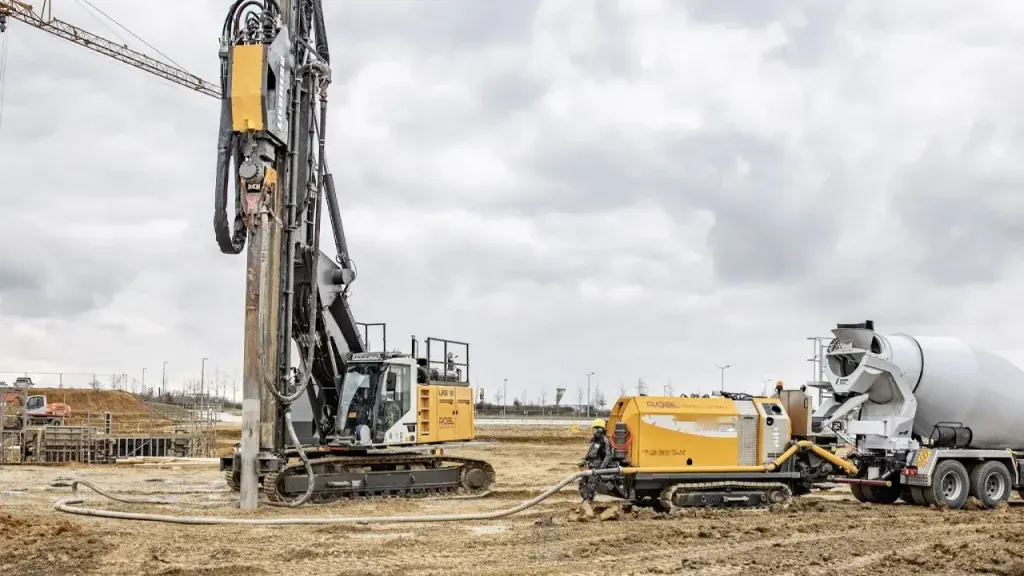
Construction projects that require deep foundation systems, geothermal installations, water wells, or environmental monitoring wells depend on drilling operations that must be planned and managed with precision. The professional responsible for this work — the drilling engineer — occupies a position that bridges geology, structural requirements, and field operations in ways that few other construction disciplines require. Understanding what this role involves, and what distinguishes qualified practitioners from generalists, helps project owners make better decisions about who to engage for drilling-intensive scopes.
Site Investigation and Geotechnical Assessment
Before any drilling program begins, the drilling engineer reviews available geotechnical data and site investigation reports to understand the subsurface conditions that will be encountered. Soil boring logs, rock core samples, groundwater level data, and regional geological maps all inform the drilling program design. This pre-drill assessment determines the appropriate drilling method, anticipated penetration rates, likely equipment requirements, and the risks associated with unexpected subsurface conditions. Engineers who conduct thorough pre-drill assessments experience fewer field surprises than those who begin drilling without adequate site investigation data.
Drilling Program Design
The drilling program document is the technical foundation of any drilling operation. It specifies the drilling method — rotary, percussion, auger, or directional — the bit selection appropriate to the anticipated formation, the mud or air circulation system to be used, the casing program to manage borehole stability, and the logging program to capture formation data as drilling proceeds.
Equipment Selection and Contractor Oversight
Drilling equipment must be matched to the geological conditions, depth requirements, access constraints, and environmental sensitivity of each specific project. A drilling engineer who specifies equipment appropriate to the project prevents the cost overruns and schedule delays that result from mobilizing equipment that cannot perform effectively in the actual site conditions. During operations, the engineer monitors drilling parameters — weight on bit, rotation speed, penetration rate, and fluid returns — to confirm that the borehole is progressing as designed and to identify formation changes that require program adjustments.
Data Collection and Formation Evaluation
One of the most technically demanding aspects of the drilling engineer role is capturing formation data during drilling and interpreting it in real time. Drill cuttings, core samples, geophysical logs, and formation fluid samples all provide information that informs decisions about depth, casing setting points, and completion design. Engineers trained in formation evaluation translate raw data into actionable decisions that keep the program on schedule while capturing the subsurface information the project requires.
Regulatory Compliance and Environmental Management
Drilling operations are regulated under multiple frameworks — water well regulations, environmental permits, air quality requirements, and waste disposal standards all apply depending on project type and location. The drilling engineer ensures that the operation complies with every applicable requirement, from permit conditions to fluid disposal to wellbore abandonment standards at project completion. Regulatory violations during drilling can halt operations, require costly remediation, and expose the project owner to liability that far exceeds the cost of the drilling program itself.
Conclusion
The drilling engineer brings technical expertise that transforms a complex subsurface operation into a managed, documented, and compliant program. From site assessment through completion and regulatory closure, this role determines whether the drilling scope delivers the information and infrastructure the project requires on time and within budget.