

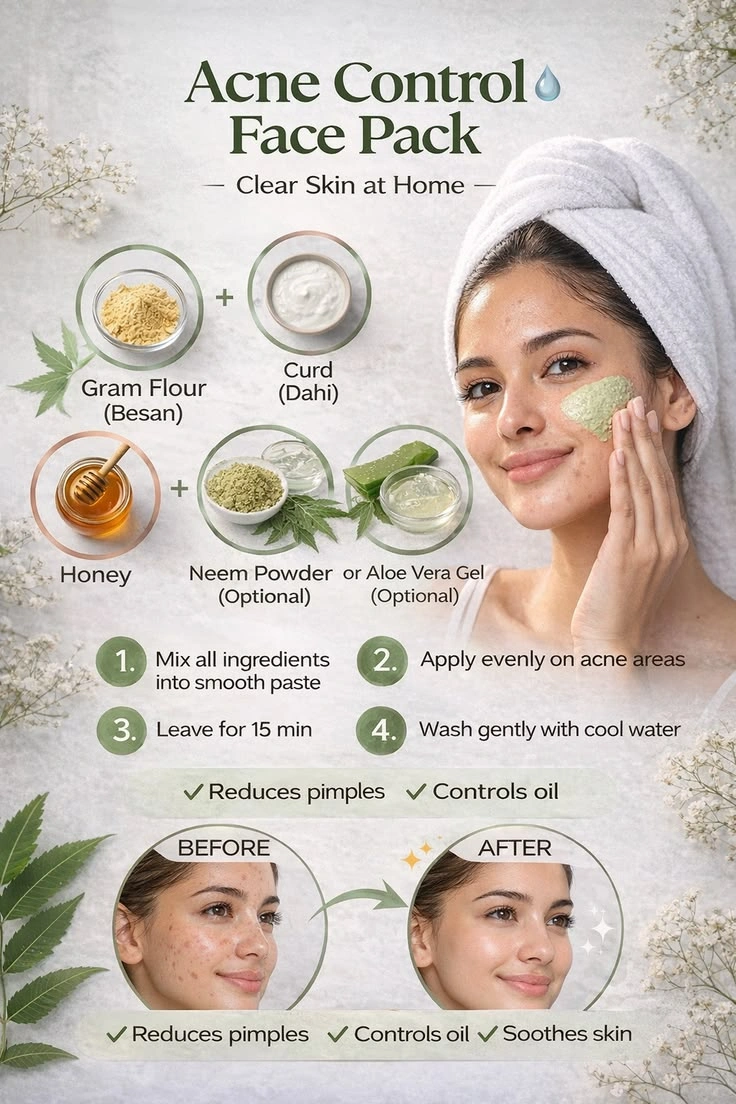
Acne remains one of the most common skin concerns worldwide, affecting people across all ages, skin types, and backgrounds. In 2026, with growing awareness of gentle, sustainable skincare, many individuals are turning to natural home remedies to manage pimples. While severe acne often requires professional dermatological intervention, mild to moderate breakouts can respond well to consistent, evidence-supported natural approaches. These methods focus on reducing inflammation, fighting bacteria, balancing oil production, and promoting skin healing without harsh chemicals.
Pimples, or acne vulgaris, develop when hair follicles become clogged with oil (sebum), dead skin cells, and bacteria—primarily Cutibacterium acnes (formerly P. acnes). Hormonal fluctuations, stress, diet, and environmental factors contribute significantly. Natural remedies work best as part of a holistic routine that includes gentle cleansing, lifestyle adjustments, and patience, as results typically appear over weeks rather than days.
Foundational Habits for Clearer Skin
Before diving into specific remedies, establish strong daily habits. Wash your face twice daily with a mild, non-comedogenic cleanser using lukewarm water and your fingertips—avoid harsh scrubbing, which can worsen inflammation. Pat dry gently with a clean towel. Keep hands away from your face to prevent transferring bacteria and oil. Change pillowcases regularly and opt for breathable, clean bedding.
Diet plays a supportive role. Reduce high-glycemic foods, excessive dairy, and sugary items, which may trigger breakouts in sensitive individuals. Instead, emphasize fiber-rich vegetables, fruits, nuts, omega-3 sources like fatty fish or flaxseeds, and probiotic-rich foods to support gut health and lower inflammation. Stay hydrated and manage stress through sleep, exercise, or mindfulness, as these factors influence hormone balance and skin condition.
Never pick or pop pimples. This increases scarring, infection risk, and prolonged healing time.
Top Evidence-Supported Natural Remedies
Several natural ingredients have demonstrated antibacterial, anti-inflammatory, and soothing properties in studies. Always perform a patch test on your inner arm before facial application, and dilute potent ingredients. Consult a dermatologist if you have sensitive skin, allergies, or persistent issues.
Tea Tree Oil stands out as one of the most researched natural options. Derived from the leaves of Melaleuca alternifolia, it possesses strong antimicrobial and anti-inflammatory effects that target acne-causing bacteria. Clinical comparisons show 5% tea tree oil gel can reduce lesions comparably to 5% benzoyl peroxide, though it may work more gradually and with less irritation for some users.
To use: Dilute 1 part tea tree oil with 9 parts carrier oil (such as jojoba or coconut). Apply sparingly to affected areas once or twice daily using a cotton swab. For a mask, mix a few drops with aloe vera gel. Avoid undiluted application, as it can cause dryness or irritation. Consistent use over several weeks often yields noticeable improvement in mild to moderate acne.
Aloe Vera offers excellent soothing benefits. The gel from this succulent plant contains anti-inflammatory compounds and mild antibacterial properties that calm redness and support healing. It is particularly helpful for irritated or inflamed pimples and can be combined with other ingredients.
How to apply: Extract fresh gel from an aloe leaf or use pure store-bought gel. Apply directly to clean skin and leave on for 20-30 minutes or overnight. For enhanced effects, blend with 2-3 drops of diluted tea tree oil or a teaspoon of honey. Use daily or several times weekly. Regular application helps reduce redness and promotes smoother skin texture.
Honey, especially raw or Manuka varieties, provides natural antibacterial and wound-healing benefits. Its viscosity helps draw out impurities, while enzymes and antioxidants combat bacteria and soothe skin. Though more research is needed, its properties make it a gentle spot treatment or mask component.
Apply a thin layer of raw honey to pimples or as a full-face mask for 10-30 minutes before rinsing. Combine with cinnamon (which adds extra antibacterial power) for a mask: mix 2 tablespoons honey with 1 teaspoon cinnamon. Use 1-2 times weekly. This combination is popular for its potential to reduce inflammation without over-drying.
Green Tea extracts and topical applications show promise due to polyphenols that fight bacteria, reduce sebum production, and lower inflammation. Studies indicate green tea can decrease pimples and oiliness when applied regularly.
Brew strong green tea, cool it, and use as a toner with a cotton pad after cleansing. Alternatively, apply cooled tea bags directly to affected areas for 10-15 minutes. Incorporate green tea extract into DIY masks with aloe or honey. Drink it daily for internal antioxidant support.
Zinc deserves mention for both topical and oral use. This mineral helps regulate oil production, supports wound healing, and reduces inflammation. Evidence supports its role in improving mild acne when used appropriately.
Topical zinc creams or serums can be applied as directed. For oral supplementation, consult a healthcare provider first, as appropriate dosing (often around 30 mg daily in studies) matters, and excess can cause side effects. Pairing with a balanced diet rich in zinc sources like nuts and seeds is beneficial.
Other options like diluted apple cider vinegar as a toner have traditional use for pH balancing and mild exfoliation but carry risks of irritation or burns; many experts advise caution and prefer better-studied alternatives. Jojoba oil may help balance sebum due to its similarity to skin’s natural oils.
Building an Effective Home Routine in 2026
Morning: Cleanse gently, apply a natural toner (green tea or diluted remedies), spot-treat with tea tree or aloe, and finish with a lightweight, non-comedogenic moisturizer and sunscreen. Evening: Double-cleanse if wearing makeup or sunscreen, then use masks or treatments 2-3 times weekly. Consistency is key—track progress over 4-8 weeks.
For combination approaches, create custom masks: aloe vera base with tea tree for antibacterial action, or honey-cinnamon for soothing. Ice wrapped in cloth can reduce swelling in acute pimples when applied briefly.

Safety, Expectations, and Professional Care
Natural remedies are generally milder but not risk-free. Essential oils can irritate, especially on broken skin. Pregnant individuals or those with conditions should seek medical advice. Results vary by skin type, acne severity, and adherence. Natural methods often complement rather than replace conventional treatments for moderate to severe cases.
See a dermatologist if pimples are painful, cystic, scarring, or unresponsive after consistent effort. They can rule out underlying issues and recommend tailored plans. In 2026, tele-dermatology and personalized skincare make professional guidance more accessible.
Long-Term Skin Health
Removing pimples naturally emphasizes prevention and nurturing skin barrier function. By combining targeted remedies like tea tree oil, aloe vera, honey, and green tea with healthy lifestyle choices, many achieve clearer, more resilient skin. Patience and gentleness yield the best outcomes—skin improvement is a journey, not an overnight fix.
Embrace these time-tested, nature-derived strategies as part of a mindful self-care practice. With dedication, clearer skin and boosted confidence are achievable at home. Always listen to your skin and adjust as needed for optimal results.
Read more – tripfleeting.com