

Sleep apnea affects millions of people and ranges in severity from mild to severe, with the most serious cases carrying significant health risks that extend well beyond disrupted sleep. For patients with severe sleep apnea exploring the full range of treatment options available is both important and worthwhile. Modern medicine offers several pathways to meaningful improvement, and the right choice depends on each patient’s specific anatomy, severity, and circumstances.
Why Untreated Severe Sleep Apnea Carries Serious Health Consequences
Severe sleep apnea causes repeated interruptions to breathing during sleep that deprive the body of oxygen dozens or hundreds of times each night. The cardiovascular consequences of this pattern are significant: elevated blood pressure, increased risk of atrial fibrillation, higher rates of heart attack and stroke, and accelerated progression of heart failure in patients with pre-existing cardiac disease. Metabolic effects include insulin resistance and weight gain. Cognitive impacts compound over years of inadequately treated disease. The case for effective treatment is compelling and well-supported by clinical evidence.
CPAP and Why Some Patients Cannot Achieve Success with It
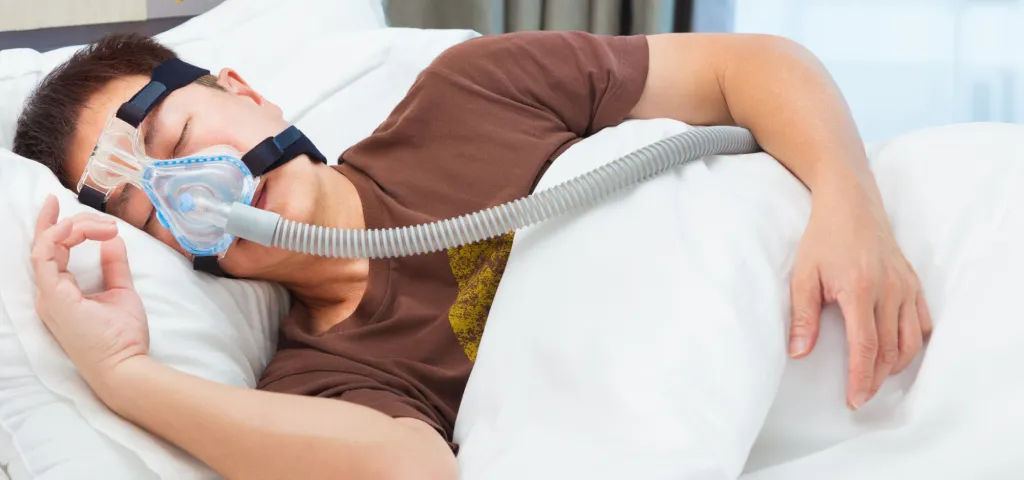
Continuous positive airway pressure therapy remains the first-line treatment for most patients with moderate to severe sleep apnea because it is highly effective when used consistently. Its challenge is adherence: a significant proportion of patients find CPAP uncomfortable, disruptive to their sleep, or difficult to use consistently enough to achieve therapeutic benefit. Mask fit issues, claustrophobia, and the experience of breathing against pressure are common obstacles. For these patients, the search for effective alternative treatment begins with an honest conversation with a qualified sleep specialist about what has been tried and why it has not worked.
When Surgical Intervention Becomes the Right Conversation
For patients who are unable to tolerate CPAP and who have anatomical features contributing to their airway obstruction, sleep apnea surgery offers the possibility of permanent structural correction that eliminates or substantially reduces the severity of the condition. Surgical options range from relatively minor procedures targeting specific obstruction sites to more comprehensive approaches for patients with complex multilevel obstruction. The appropriate surgical pathway depends on a thorough evaluation of the patient’s specific anatomy, conducted through imaging and clinical examination by a surgeon with specific expertise in sleep-related airway surgery.
Understanding the Surgical Options Available Today
The surgical treatment of sleep apnea has evolved significantly, with modern procedures offering better outcomes and faster recovery than older approaches. Uvulopalatopharyngoplasty (UPPP) addresses obstruction at the palatal level. Hyoid suspension and genioglossus advancement target the hypopharynx. Maxillomandibular advancement is the most anatomically comprehensive approach and produces the strongest success rates for carefully selected patients. Hypoglossal nerve stimulation, an implanted device that activates the tongue musculature during sleep, offers a non-ablative surgical option for patients meeting specific eligibility criteria.
Making an Informed Decision with Specialist Support
Selecting a treatment pathway for severe sleep apnea requires close collaboration with a specialist who understands both the full range of treatment options and the specific characteristics of each patient’s condition. Repeat sleep studies, drug-induced sleep endoscopy to identify specific obstruction sites, and detailed anatomical evaluation contribute to a treatment recommendation that is evidence-based rather than generically applied.
Conclusion
Severe sleep apnea is a treatable condition, and the range of effective options available today means that patients who have struggled with first-line therapy are not without recourse. Understanding the treatment landscape, engaging with qualified specialists, and pursuing evaluation with persistence and an open mind gives patients with severe sleep apnea the realistic prospect of genuine, lasting improvement in their health and quality of life.