

Indian kitchens have long celebrated bold flavours, spices, and textures. Many traditional snacks, however, rely on deep-frying and refined flours that can leave you feeling heavy. The good news is that the same pantry staples—lentils, chickpeas, fox nuts, millets, paneer, and fresh vegetables—can be transformed into light, nutrient-dense snacks that support energy, digestion, and overall well-being. These homemade options deliver protein, fibre, and essential minerals while keeping calories in check when prepared with minimal oil through roasting, steaming, or light sautéing.
Homemade healthy Indian snacks offer clear advantages. You control the ingredients, avoid excess sodium and preservatives common in packaged namkeen, and can adjust spices to personal taste. Many of these preparations also suit weight management goals and help maintain steadier blood sugar because of their fibre and protein content. Below are practical, flavourful ideas that require everyday ingredients and straightforward techniques.
Why Choose Homemade Over Packaged Snacks
Traditional Indian snacks such as roasted chana and makhana provide plant-based protein and dietary fibre that promote satiety and support digestive health. Roasted chickpeas offer protein and fibre that aid fullness and blood sugar regulation. Fox nuts (makhana) are naturally low in calories, contain protein and minerals including magnesium and calcium, and provide a satisfying crunch without heaviness. Sprouted legumes increase nutrient availability and digestibility. Steamed preparations like dhokla retain more nutrients and avoid the calorie load of frying. By preparing these at home, you retain the authentic taste of chaat masala, cumin, curry leaves, and lemon while prioritising nutrition.
Roasted Makhana: The Light Crunchy Favourite
Makhana, or fox nuts, make an excellent everyday snack. Dry-roast a cup of makhana in a heavy pan or with a teaspoon of ghee until crisp. Sprinkle rock salt, black pepper, chaat masala, or a pinch of turmeric. The result is a low-calorie, high-volume snack rich in protein and fibre that feels filling without causing energy crashes. Makhana supports steady energy release and is gentle on digestion. A small bowl can curb evening hunger while delivering minerals that contribute to muscle and nerve function. For variety, toss the roasted makhana with finely chopped onion, tomato, cucumber, lemon juice, and coriander to create a light chaat.
Roasted Chana: Protein-Packed Crunch
Roasted chana (Bengal gram or chickpeas) is one of the most accessible high-protein Indian snacks. Soak and boil chickpeas if starting from dried, or use ready roasted chana. Dry-roast further with a light coating of spices—cumin powder, red chilli powder, black salt, and a squeeze of lemon. The high protein and fibre content help maintain fullness for longer periods and support digestive regularity. This snack travels well, needs no refrigeration, and works as a mid-morning or office nibble. A modest handful delivers substantial plant protein without excess fat when prepared without oil.
Sprouted Moong Salad and Chaat
Sprouted moong (green gram) stands out for its elevated protein, fibre, and micronutrient profile. After sprouting, lightly steam or blanch the beans. Combine with chopped onion, tomato, cucumber, pomegranate arils, fresh coriander, green chilli, chaat masala, and lemon juice. The mixture is refreshing, high in plant protein, and easy to digest. Sprouting improves nutrient absorption and makes the legumes gentler on the stomach. This salad can be prepared in minutes once the sprouts are ready and serves as a satisfying between-meal option that supports satiety and provides antioxidants.
Moong Dal or Besan Chilla
Chillas are savoury pancakes that deliver substantial protein. Soak moong dal for a few hours, grind with ginger, green chilli, and a little water into a smooth batter, then add salt and turmeric. Pour onto a non-stick pan and cook with minimal oil until golden. Besan (chickpea flour) versions work similarly and can include grated vegetables such as carrot or spinach. For added protein, fill the chilla with crumbled paneer or sautéed vegetables before rolling. These pancakes offer a low-glycaemic option that keeps hunger at bay and can be made ahead for busy days.
Paneer Tikka: Grilled Protein Power
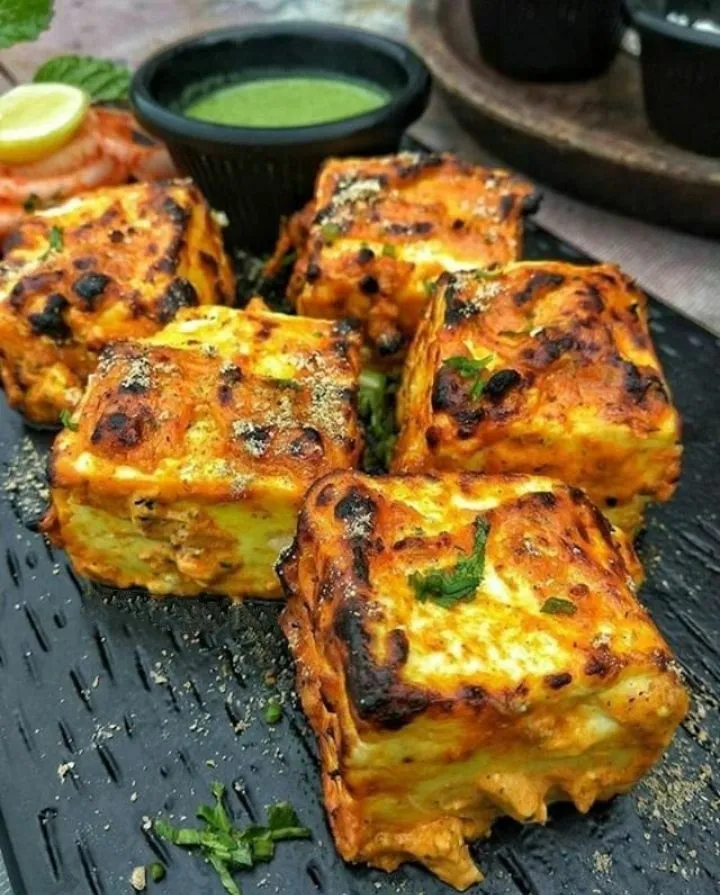
Paneer provides high-quality protein and calcium. Cut paneer into cubes, marinate in hung curd mixed with ginger-garlic paste, red chilli powder, cumin, garam masala, turmeric, and lemon juice. Grill, bake, or pan-sear until lightly charred. The yoghurt marinade keeps the paneer moist while reducing the need for oil. Serve with mint chutney and onion rings. This snack is low in carbohydrates relative to its protein content and works well as a substantial evening option that supports muscle maintenance and prolonged fullness.
Steamed Dhokla and Similar Preparations
Dhokla, made from a fermented batter of gram flour or rice and lentils, is steamed rather than fried. The fermentation process enhances digestibility and contributes beneficial compounds. A light tempering of mustard seeds, curry leaves, and green chillies adds flavour without excess oil. Vegetable variations or those made with sprouts increase the fibre content further. Soft, tangy, and light, dhokla serves as a satisfying snack that is lower in fat than many fried alternatives and suits a range of dietary preferences.
Fruit Chaat and Murmura Variations
Seasonal fruit chaat—apples, banana, pomegranate, grapes, or orange segments tossed with black salt, chaat masala, and lemon—offers natural sweetness, vitamins, and fibre with minimal calories. For a savoury crunch, prepare murmura (puffed rice) chivda by dry-roasting the puffed rice with roasted peanuts, curry leaves, mustard seeds, and mild spices. Adding chopped vegetables and lemon turns it into a light bhel-style snack. These options satisfy both sweet and savoury cravings while remaining far lighter than deep-fried namkeen.
Additional Everyday Options
South Indian sundal—boiled chickpeas, black chana, or other legumes tempered with mustard seeds, curry leaves, green chilli, and grated coconut—delivers protein and fibre in a simple preparation. Ragi-based ladoos or biscuits made with finger millet flour, a small amount of jaggery or dates, and nuts provide calcium and sustained energy. Vegetable upma prepared with limited oil and plenty of chopped vegetables, or poha mixed with peanuts and greens, also fit well into a healthy snack rotation.
Practical Tips for Success
Keep portions moderate even with nutritious snacks. Prepare larger batches of roasted makhana or chana and store in airtight containers. Use non-stick pans or air-frying methods to minimise oil. Balance flavours with traditional spices rather than excess salt. Pair protein-rich snacks with vegetables or a squeeze of lemon to enhance nutrient absorption and flavour. These homemade choices align with the strengths of Indian cuisine—bold taste, regional variety, and reliance on whole ingredients—while supporting modern goals of balanced energy and mindful eating.
By returning to simple techniques of roasting, steaming, and light seasoning, anyone can enjoy authentic Indian flavours without compromising health. These snacks demonstrate that nourishing food can be convenient, delicious, and rooted in tradition. Start with one or two recipes this week, and the habit of reaching for wholesome homemade options soon becomes second nature.
Read More: marathimeanings.com