

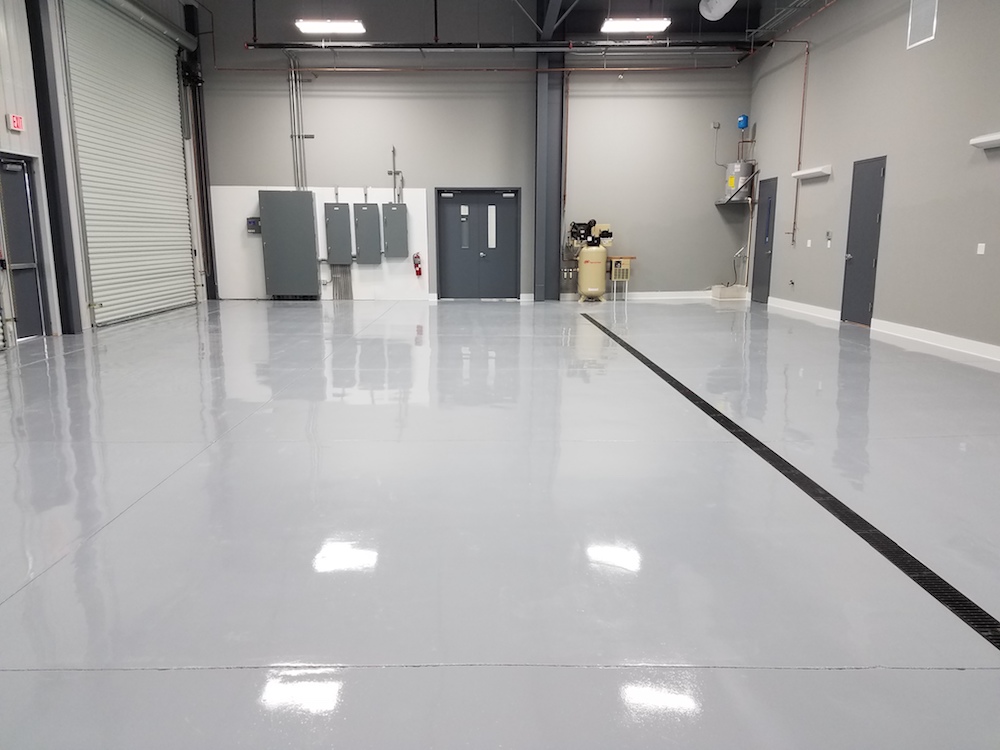
 A successful coating project depends on more than selecting a resin or decorative finish. Contractors searching for concrete coating supplies need to think about surface preparation, application tools, repair materials, protective equipment, and the conditions of the slab before work begins.
Choosing the right materials in advance can reduce delays and help the installation move more smoothly. It also makes it easier to match each product to the type of floor, expected traffic, and finish the customer wants.
Start With The Existing Concrete
Before buying any coating products, inspect the slab carefully. Cracks, moisture, oil contamination, old paint, and weak concrete can all change what materials are required.
Some projects may need crack fillers, primers, or moisture-control products before the main coating is applied. Understanding the slab first helps prevent buying unsuitable materials.
Preparation Tools Matter
Surface preparation is one of the most important stages of any coating job. Grinding equipment, abrasives, vacuums, and cleaning products may all be needed before application starts.
The goal is to create a clean, stable surface with the right profile. Poor preparation can affect adhesion even when the coating product itself is high quality.
Choose Products For The Environment
A garage, warehouse, retail floor, and outdoor area do not all need the same system. Traffic, moisture, chemicals, temperature, and cleaning routines should influence product selection.
It is useful to think about what the floor will experience after installation. A system designed around real use is more likely to perform well over time.
Find A Reliable Local Source
Searching for an epoxy store sacramento can help contractors compare products, tools, and supporting materials in one place. Local access may also make it easier to replace missing items quickly during a project.
A knowledgeable supplier can help clarify product compatibility, coverage rates, and application requirements. This can be especially useful when several products are being used together.
Calculate Material Needs Carefully
Running short of material can interrupt an installation and create unnecessary stress. Coverage rates should be checked against the actual size and condition of the floor.
Rough or porous concrete may absorb more material than expected. Contractors should also allow for waste, edges, repairs, and any additional coats included in the system.
Do Not Forget Repair Products
Cracks, chips, and surface defects should be repaired before the main coating is applied. Using the wrong repair material can create weak spots beneath the finished floor.
Repair products should be compatible with both the concrete and the coating system. This helps create a more stable base and a more consistent final appearance.
Application Tools Affect Results
Rollers, squeegees, mixing paddles, gauge rakes, and other tools all influence how evenly a coating is applied.
Using worn or unsuitable tools can create streaks, uneven thickness, or inconsistent texture. Good tools support better control and make the application process more predictable.
Safety Equipment Is Essential
Floor coating work may involve dust, chemicals, grinding, and slippery surfaces. Appropriate gloves, eye protection, respirators, and footwear should be part of the project plan.
Safety should not be treated as an afterthought. Proper equipment helps protect the installer and supports a more professional working process.
Store Materials Correctly
Many coating products are sensitive to temperature, moisture, or direct sunlight. Incorrect storage can affect consistency or performance before the material is even mixed.
Contractors should follow product guidance and check shelf life before use. Materials should also be organized so that each component is easy to access during installation.
Plan Before Mixing
Once certain products are mixed, the working time may be limited. The floor, tools, materials, and crew should therefore be ready before the application begins.
Clear preparation reduces rushing and mistakes. It also helps installers work within the product’s recommended time window.
Conclusion
A reliable coating project begins with careful product selection and proper planning. Surface condition, preparation tools, repair materials, coverage, safety equipment, and application methods all influence the final result.
Contractors and property owners looking for suitable materials can explore options through whatittakessacramento.com. Choosing compatible products and preparing the project properly can help create a smoother installation process and a more durable finished floor.